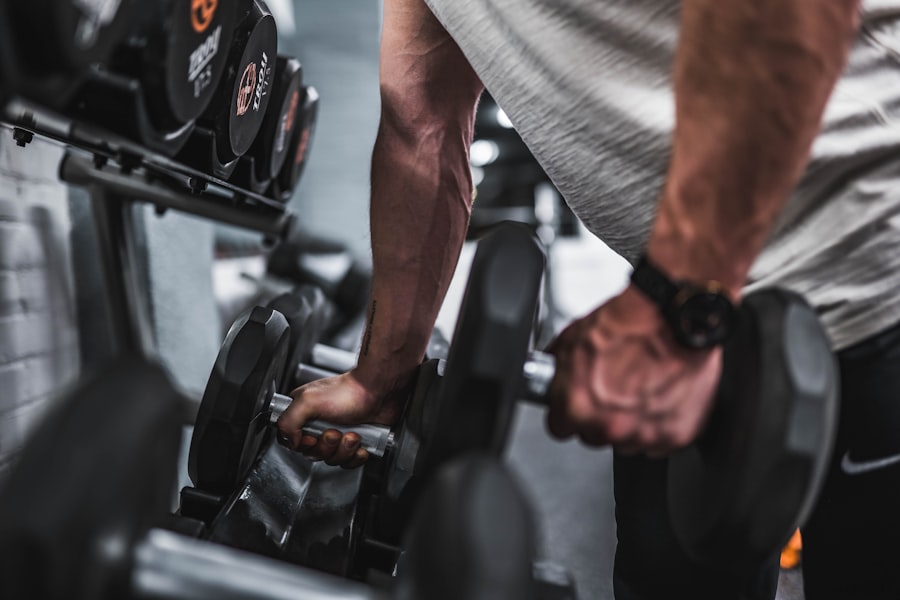
Weight Loss for Men: The Complete Science-Based Guide
Men and women are physiologically different in ways that profoundly impact how they gain weight, where they store fat, and how effectively they lose it. A weight loss strategy designed for women will produce significantly inferior results for men — and vice versa. This comprehensive guide is built specifically around male physiology, testosterone levels, and the metabolic patterns unique to men.
The good news: men have several significant metabolic advantages that make fat loss faster and more dramatic than women when the right strategy is followed. Men who eat and train correctly can lose 1–2 kg of pure fat per week during the initial phase — roughly twice the rate achievable by women. Understanding your biology is the key to unlocking these advantages.
How the Male Body Stores and Burns Fat: Key Differences
- Higher muscle mass: Men naturally carry 15–20% more muscle than women of the same body weight — muscle burns 3× more calories at rest than fat, giving men a higher baseline metabolic rate of 200–400 calories per day
- Android fat distribution: Men store fat primarily in the abdomen (visceral fat) — this fat is metabolically very active and responds faster to diet and exercise than the subcutaneous fat women carry in hips and thighs
- Testosterone advantage: Testosterone directly promotes fat oxidation, suppresses fat storage enzymes, and drives muscle protein synthesis — all factors that support faster weight loss
- Less hormonal disruption: Men don't experience menstrual cycles, pregnancy, or menopause — removing three major sources of hormonal weight fluctuation
- Higher NEAT potential: Men tend to have higher levels of unconscious daily movement (NEAT), contributing to greater daily calorie expenditure
The Real Reason Most Men Fail at Weight Loss
Despite these advantages, millions of men still struggle. The reasons are consistent:
- Weekend overeating: Studies show men are highly disciplined Monday–Friday but consume an average of 800 excess calories on Saturday and Sunday — enough to completely wipe out a week of deficit
- Alcohol consumption: Beer, spirits, and cocktails are the single biggest hidden calorie bomb in men's diets. A typical Saturday night out can add 1,500–2,500 liquid calories with zero nutritional value
- Underestimating portion sizes: Men are served larger portions culturally and tend to eat faster — both of which cause chronic overconsumption
- Not enough protein: Without a conscious protein target, most men eat far less than the 1.6–2.2g per kg of body weight needed to preserve muscle during a calorie deficit
- Skipping recovery: Many men exercise intensely but underestimate sleep and recovery — leading to elevated cortisol that drives belly fat accumulation
Calculate Your Numbers: The Starting Point
Step 1: Calculate Your TDEE
Total Daily Energy Expenditure (TDEE) is how many calories you burn per day. For men, use:
- Sedentary (desk job, little exercise): Body weight in kg × 28–30
- Lightly active (walk daily, exercise 1–2x/week): Body weight × 32–34
- Moderately active (exercise 3–4x/week): Body weight × 35–37
- Very active (hard exercise 5+x/week or physical job): Body weight × 38–40
Example: 90kg man with a desk job and 2 workouts per week = 90 × 30 = 2,700 calories TDEE.
Step 2: Set Your Calorie Target
Subtract 500–750 calories from your TDEE for a moderate deficit that preserves muscle. For our example: 2,700 − 600 = 2,100 calories per day. This deficit produces approximately 0.5–0.7 kg of fat loss per week.
Do not go below 1,600 calories as a man — this triggers muscle breakdown and metabolic adaptation. Eat more if needed — a smaller deficit maintained consistently beats an aggressive deficit that leads to bingeing.
Step 3: Set Your Protein Target
For men in a calorie deficit: 1.8–2.4g of protein per kg of bodyweight daily. For our 90kg example: 162–216g of protein per day. This sounds like a lot but is achievable:
- 3 eggs at breakfast: 18g
- 200g chicken breast at lunch: 62g
- 150g canned tuna: 38g
- 200g Greek yogurt: 20g
- 200g salmon at dinner: 40g
- Total: 178g protein — achieved without special effort
The Ideal Male Fat Loss Diet
Foods to Prioritize
- 🥩 Lean red meat (2–3x/week): Beef provides zinc and iron that support testosterone production — essential for maintaining the hormonal environment that promotes fat loss in men
- 🥚 Whole eggs daily: The cholesterol in eggs is a direct precursor to testosterone synthesis. Don't throw away the yolk
- 🐟 Fatty fish (salmon, mackerel, sardines): Omega-3 fats reduce the inflammatory markers that suppress testosterone and drive abdominal fat storage
- 🥦 Cruciferous vegetables (broccoli, cauliflower, cabbage): Contain indole-3-carbinol which helps the body metabolize excess estrogen — a key driver of male belly fat
- 🌰 Brazil nuts and pumpkin seeds: Selenium and zinc respectively — both critical minerals for testosterone production and male metabolic health
Foods to Eliminate
- 🍺 Beer and alcohol: Beer specifically contains phytoestrogens that suppress testosterone and directly promote abdominal fat storage. Even moderate beer consumption significantly worsens belly fat in men
- 🍟 Processed vegetable oils: Soybean, corn, and canola oils contain compounds that interfere with testosterone receptor function
- 🥤 Sugary drinks: Fructose specifically drives visceral fat accumulation in male adipose tissue at a significantly higher rate than in women
The Optimal Training Strategy for Male Fat Loss
Phase 1: Weeks 1–4 — Build the Base
Strength Training (3×/week): Focus on compound lifts that engage maximum muscle mass. The Big 4 for men: Squat, Deadlift, Bench Press, Barbell Row. Men respond dramatically to heavy compound training — the hormonal response (testosterone, growth hormone) creates a metabolic environment that burns fat even at rest for 24–48 hours post-workout.
Cardio (2×/week): 30–45 minute moderate steady-state cardio (brisk walking, cycling). Purpose: active recovery and additional calorie burning without impeding muscle recovery.
Phase 2: Weeks 5–12 — Optimize for Fat Loss
Strength Training (4×/week): Add one extra session. Progress all lifts by 2.5–5kg per session where possible. The goal is progressive overload — consistently lifting heavier forces your body to maintain and build muscle even in a calorie deficit.
HIIT (2×/week): Replace steady-state cardio with High-Intensity Interval Training. 20 minutes of HIIT (30 seconds sprint, 30 seconds rest × 20 rounds) burns more fat in 20 minutes than 45 minutes of steady cardio, and creates a post-exercise metabolic boost lasting 24 hours.
The Male Fat Loss Weekly Schedule
- Monday: Heavy strength training (chest + back) + 20-min walk
- Tuesday: HIIT 20 min + abs workout
- Wednesday: Heavy strength training (legs: squat + deadlift focus)
- Thursday: Active recovery: 45-min brisk walk or cycling
- Friday: Heavy strength training (shoulders + arms)
- Saturday: HIIT 20 min + 30-min walk
- Sunday: Complete rest + meal prep
Testosterone Optimization for Faster Fat Loss
Low testosterone directly causes increased abdominal fat storage, decreased muscle mass, and reduced metabolic rate in men. Optimizing your testosterone naturally can significantly accelerate fat loss:
- 💪 Heavy compound lifting: Squats and deadlifts cause the largest testosterone spike of any exercise
- 😴 Prioritize sleep (8 hours): 60–70% of daily testosterone is produced during deep sleep. Sleeping 5 hours produces 10–15% less testosterone than sleeping 8 hours
- 🌿 Minimize alcohol: Even moderate alcohol consumption (2–3 drinks/night) reduces testosterone production by 6–23%
- ⬇️ Reduce body fat: Ironically, belly fat contains an enzyme (aromatase) that converts testosterone to estrogen — creating a vicious cycle. Every kg of fat lost improves testosterone levels
- 🌞 Get vitamin D: Vitamin D is a direct precursor to testosterone. Men with optimal vitamin D levels have 25% higher testosterone than deficient men
Managing the Biggest Male Obstacle: Alcohol
For most men, alcohol is the single most impactful dietary change they can make. Here's the brutal math: a typical weekend involves 8–12 drinks. At 150–200 calories per drink, that's 1,200–2,400 calories — before the inevitable late-night takeaway. This can completely erase an entire week's calorie deficit in two days.
Practical approach: reduce to 1–2 drinks maximum on social occasions. Choose spirits with soda water (100 cal) over beer (200+ cal) or cocktails (250–400 cal). Drink a glass of water between every alcoholic drink. You'll consume less, feel better the next day, and your fat loss will suddenly become dramatically more consistent.
Realistic Expectations: A Male Timeline
- Weeks 1–2: 1.5–3 kg loss (water weight + glycogen). Visible face and waist slimming
- Weeks 3–8: 0.5–1 kg pure fat loss per week. Belt getting visibly looser
- Months 3–6: 10–20 kg total fat loss achievable. Significant visible muscle definition as fat is removed
- 6 months+: Body recomposition phase — simultaneously building muscle and losing remaining fat
💪 Top 3 Male-Specific Actions for This Week: (1) Cut all alcohol to zero for the next 4 weeks and watch belly fat visibly shrink. (2) Add squats and deadlifts to your workout — no single exercise does more for male fat loss. (3) Hit your protein target every single day — use an app like MyFitnessPal to track. These three changes alone will produce dramatic results within 30 days for most men.