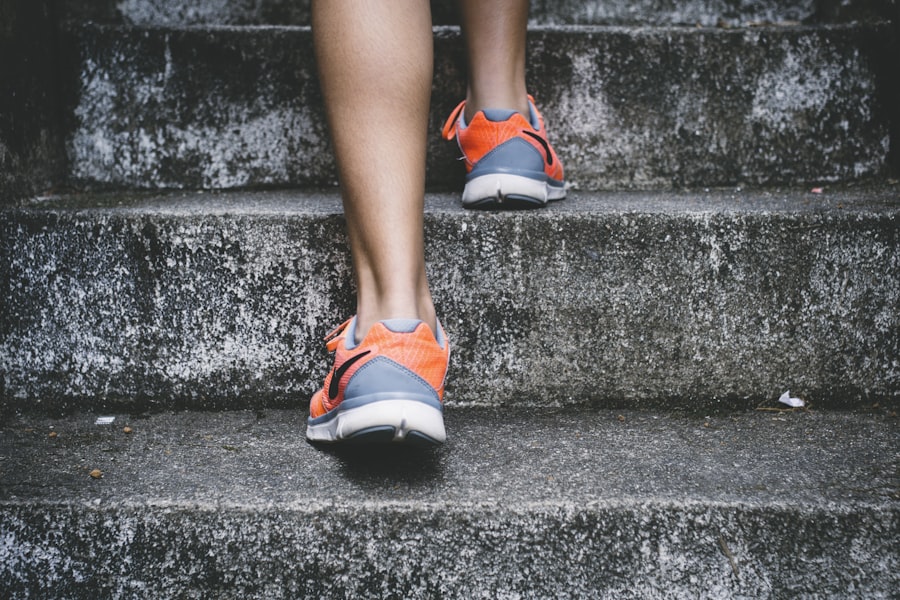
Walking for Weight Loss: How Many Steps You Really Need
Walking is the most underrated weight loss exercise in existence. It requires no gym membership, no special equipment, no athletic ability, and can be done by virtually anyone — regardless of age, fitness level, or starting weight. Yet many people dismiss it as "too easy" to make a real difference.
They couldn't be more wrong. When done consistently and strategically, walking can burn hundreds of calories per day, dramatically improve metabolic health, reduce belly fat, and transform your body — all without a single burpee or barbell.
The Science: Does Walking Really Help You Lose Weight?
Absolutely — and the evidence is strong. A comprehensive review of 32 studies found that regular walking significantly reduced body weight, BMI, body fat percentage, and waist circumference. Another study published in the International Journal of Obesity found that brisk walking 3–5 times per week reduced abdominal fat by 9% in just 12 weeks — without any dietary changes.
The key mechanisms:
- Direct calorie burning: A 70kg person burns approximately 80–100 calories per kilometre walked
- Improves insulin sensitivity: Walking after meals dramatically improves glucose uptake, reducing fat storage
- Reduces cortisol: Walking outdoors specifically reduces the stress hormone cortisol by up to 20%
- Preserves muscle mass: Unlike intense cardio, walking doesn't cause muscle breakdown
- Sustainable: People are far more likely to walk consistently for months than to maintain an intense gym routine
The 10,000 Steps Myth — Debunked
The "10,000 steps per day" goal is everywhere — on fitness watches, apps, and health advice. But where did this number come from? Surprisingly, it originated from a 1965 Japanese marketing campaign for a pedometer called "Manpo-kei" (meaning "10,000 steps meter"). It was never based on scientific research.
Modern research gives us a more nuanced picture:
- A Harvard study of 16,741 older women found that 4,400 steps per day was associated with a 41% reduction in mortality risk — compared to 2,700 steps
- Benefits plateaued at around 7,500 steps — not 10,000
- However, for weight loss specifically, higher step counts (8,000–12,000) do produce greater results
The real answer: More steps = better results for weight loss, but any increase from your current baseline produces meaningful benefits. Start where you are.
Calories Burned Walking: Detailed Breakdown
How many calories you burn walking depends on three main factors: your weight, your speed, and the terrain. Here's a practical breakdown:
- Slow stroll (3 km/h): ~200 cal/hour for a 70kg person
- Moderate walk (5 km/h): ~280 cal/hour
- Brisk walk (6.5 km/h): ~380 cal/hour
- Very brisk walk (7.5 km/h): ~460 cal/hour
- Walking uphill: Burns 50% more calories than flat ground
- Weighted vest walking: Burns an extra 10–20% more calories
A 45-minute brisk walk, done 5 days per week, burns approximately 1,400–1,700 additional calories per week — equivalent to losing 0.2–0.25 kg of fat per week from walking alone.
How to Make Walking More Effective for Weight Loss
These strategies will multiply the fat-burning effect of your daily walks:
1. Walk After Meals (Especially Dinner)
A 10–15 minute walk after eating dramatically improves blood glucose control. Research shows post-meal walking reduces blood sugar spikes by up to 40% compared to sitting. Lower blood sugar spikes = less insulin = less fat storage. Even a gentle 10-minute stroll makes a significant metabolic difference.
2. Try Interval Walking
Alternate between 2 minutes of brisk walking (70–80% effort) and 1 minute of moderate walking for recovery. This "walking HIIT" approach burns 20–30% more calories than steady-pace walking and creates a mild afterburn effect.
3. Walk on an Incline
If you have a treadmill, set it to 3–5% incline. If walking outside, seek out hills. Walking uphill engages more muscle groups (glutes, hamstrings, calves) and burns significantly more calories. Even a 2% incline increases calorie burn by approximately 8–10%.
4. Walk in a Fasted State
Walking first thing in the morning before eating (fasted walking) forces your body to rely more on stored fat for energy, since glycogen stores are partially depleted overnight. Keep it to moderate intensity — very intense fasted exercise can cause muscle breakdown. A 30–45 minute moderate walk on an empty stomach is highly effective for fat burning.
5. Increase NEAT Throughout the Day
NEAT (Non-Exercise Activity Thermogenesis) refers to all the steps and movement you accumulate outside of dedicated exercise. Research shows NEAT can account for 200–1,000 additional calories burned daily in active vs. sedentary people. Easy ways to boost NEAT:
- Take stairs instead of elevators
- Park far from entrances
- Walk during phone calls
- Stand and pace while watching TV
- Walk to nearby shops instead of driving
- Set an alarm to walk for 5 minutes every hour if you sit at a desk
6. Use Walking Poles (Nordic Walking)
Nordic walking — using specially designed poles while walking — activates the upper body, increasing calorie burn by 20–46% compared to regular walking. It also improves posture and reduces knee joint stress. This is particularly beneficial for heavier individuals or those with joint pain.
4-Week Progressive Walking Plan for Weight Loss
This plan gradually increases your walking volume to build fitness safely while maximising fat loss:
- Week 1: Walk 20–25 minutes at moderate pace, 5 days/week (or achieve 6,000 steps daily)
- Week 2: Walk 30 minutes, 5 days/week, adding small hills where possible (7,500 steps)
- Week 3: Walk 40 minutes with 10 minutes of brisk pace intervals, 5–6 days/week (9,000 steps)
- Week 4: Walk 45–60 minutes, incorporating interval walking and hill sections, 6 days/week (10,000–12,000 steps)
How Many Steps Per Day for Weight Loss?
Based on research and practical experience, here are the step recommendations by goal:
- Improve health (baseline): 7,000–8,000 steps/day
- Gradual weight loss: 8,000–10,000 steps/day
- Moderate weight loss: 10,000–12,000 steps/day
- Significant weight loss: 12,000–15,000 steps/day
Walking vs. Running: Which is Better for Weight Loss?
Running burns more calories per minute — but walking has several advantages:
- ✅ Much easier on joints (running has 2.5x more impact per step)
- ✅ Can be sustained for longer periods, burning similar total calories
- ✅ Lower injury risk — running injuries affect 50% of runners annually
- ✅ Doesn't cause the same appetite increase as running
- ✅ More sustainable long-term for most people
- ⚠️ Burns fewer calories per hour — needs to be compensated with longer duration
Nutrition to Pair with Your Walking Plan
Walking alone won't overcome a poor diet. To maximize results, combine your walking plan with:
- A mild calorie deficit of 300–500 calories per day
- High protein intake (1.6–2g per kg body weight)
- Elimination of liquid calories (sodas, juices)
- 2.5–3 litres of water daily
- Focus on whole foods: vegetables, lean protein, legumes, fruits
🚶 Final Word: Walking is not a "weak" form of exercise — it's a powerful, sustainable fat loss tool available to everyone. The person who walks 45 minutes every day for a year will easily outperform someone who does intense gym sessions for 3 months and then quits. Start with what you can do today, increase gradually, and stay consistent. That's the real secret.